
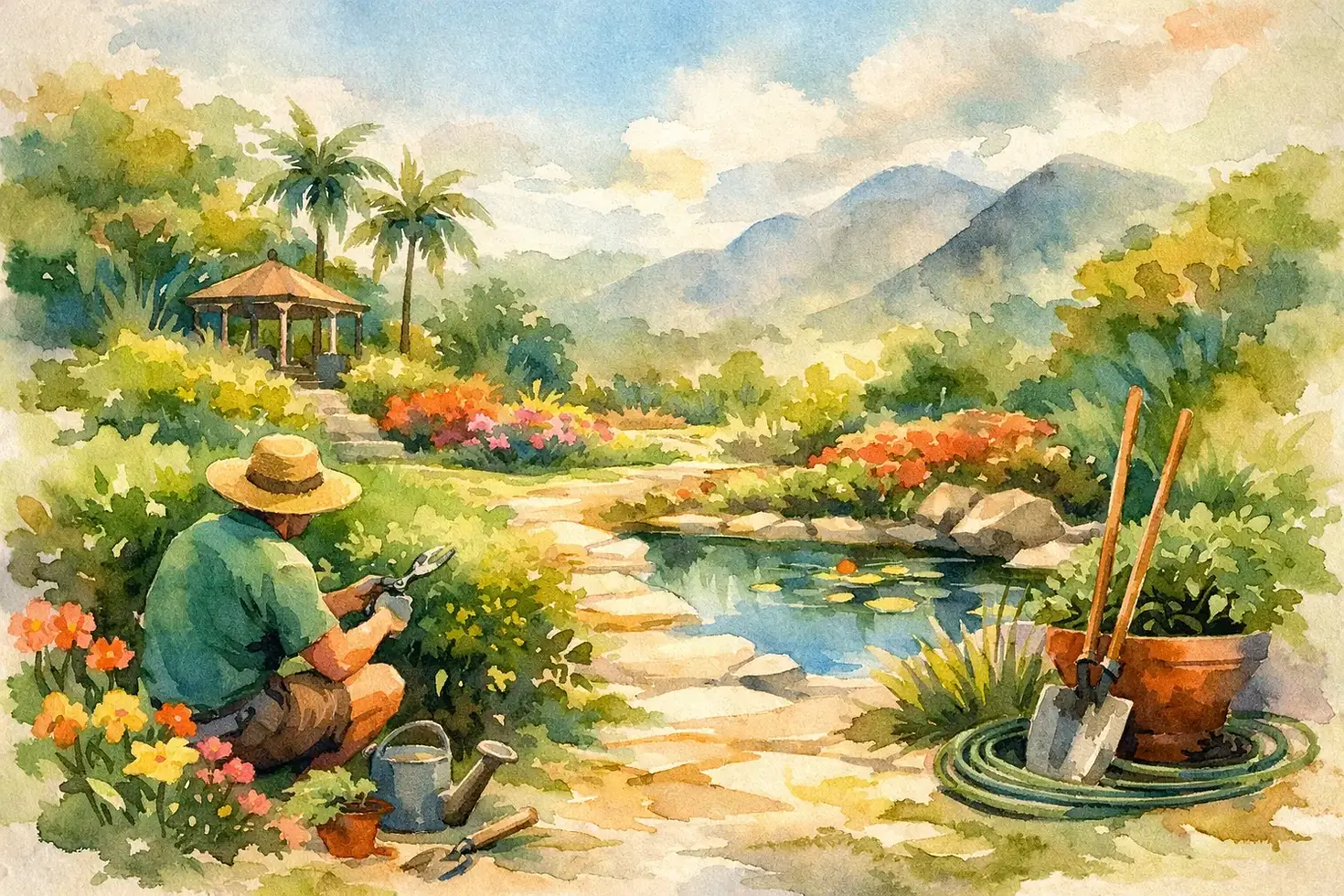
Garden Maintenance Cairns for Healthy Outdoor Spaces
A Cairns garden can look lush one month and become overgrown, pest-affected or waterlogged the next. That is the reality of a tropical climate where warmth, heavy rain and rapid plant growth place constant pressure on outdoor spaces. Professional garden maintenance Cairns property owners can rely on is not simply about keeping lawns neat. It is about protecting plant health, managing seasonal change and keeping the garden practical to use year-round.
For homeowners, investors and commercial property managers, a well-maintained garden improves presentation while avoiding the larger costs that come from neglected drainage, struggling plants or uncontrolled growth. The right maintenance plan should suit the property, the garden’s purpose and the level of care it genuinely needs.
Why tropical gardens need a planned approach
Gardens in Cairns work hard. During the wet season, lawns and tropical plants can surge in growth, weeds establish quickly and drainage issues become more visible. Humidity can encourage fungal disease, while intense rainfall may wash mulch away, compact soil or expose weak points in garden beds.
The drier months bring a different set of priorities. Plants may need more deliberate watering, fresh mulch and checks for heat stress. A garden that receives little attention in the wet season can be difficult to bring back under control once conditions change.
This is why a set-and-forget approach rarely produces a healthy, attractive result. Regular attention allows small concerns to be addressed before they affect the wider landscape. Pruning can improve airflow, weeding prevents competition for moisture and nutrients, and ongoing observation helps identify when a plant is in the wrong location rather than simply underperforming.
Garden maintenance Cairns properties can depend on
Good maintenance begins with understanding what is already in the garden. A newly landscaped home, an established tropical garden and a commercial entry garden each need a different level of care. The goal is not to apply the same task list to every site. It is to create a manageable routine that supports the garden’s condition and the way people use it.
For a family home, that may mean keeping paths clear, lawns tidy and outdoor entertaining areas presentable. For an investment property, the priority may be dependable upkeep that protects curb appeal between tenancies. Commercial properties often need regular, professional presentation around entrances, signage, car parks and shared outdoor areas.
A tailored maintenance visit may include lawn mowing and edging, pruning, weeding, garden bed care, mulching, plant health checks and rubbish removal. The scope should reflect the season and the garden’s needs on the day. For example, a strong-growing hedge may require frequent shaping, while a native planting scheme may need less cutting but more careful weed control during establishment.
The work that protects a garden over time
The most valuable maintenance tasks are often the ones that prevent a visible problem later. They create the conditions for stronger plants and a more manageable garden.
Pruning with purpose
Pruning is not just about making plants look tidy. Done well, it removes damaged or crowded growth, encourages a balanced shape and improves airflow through dense foliage. This can reduce the risk of disease in humid conditions and stop branches from obstructing walkways, windows or outdoor living spaces.
However, more pruning is not always better. Cutting the wrong plant at the wrong time can reduce flowering, expose foliage to harsh sun or create a weak, rushed flush of growth. Maintenance should account for the species, the season and the role that plant plays in the overall design.
Soil, mulch and moisture management
Healthy gardens start below ground. Tropical rainfall can affect soil structure and move organic matter away from garden beds. Mulch helps moderate soil temperature, retain moisture and reduce weed growth, but it needs to be topped up and kept clear of plant stems to avoid trapping excess moisture against them.
Soil improvement may also be worthwhile where plants repeatedly struggle, water sits on the surface or garden beds dry out too quickly. The right solution depends on the cause. Adding more water will not solve poor drainage, and adding fertiliser will not correct a plant that is poorly matched to its position.
Weed and pest attention before problems spread
Weeds compete with desirable plants for light, water and nutrients. In a fast-growing climate, leaving them for a few months can turn a simple tidy-up into a significant restoration job. Consistent weeding keeps beds cleaner, supports young plants and maintains the intended look of the landscape.
Pests and disease also deserve early attention. Yellowing leaves, chewed foliage, spotting or sudden dieback may have several causes, including watering practices, nutrient issues or poor airflow. A practical assessment is more useful than treating every symptom with the same product. Where possible, sustainable care focuses on improving the plant’s growing conditions first.
Maintenance should support how you live
A garden is more enjoyable when it works with the property instead of creating another weekend job. That could mean maintaining open lawn space for children and pets, keeping a pool surround free from leaf litter or making sure a front garden gives a welcoming first impression without demanding constant work.
Edible gardens need particular consistency. Herbs, vegetables and fruiting plants can be productive in the tropics, but they require appropriate placement, soil care, pest monitoring and regular harvesting. A maintenance program can help keep a food garden useful rather than letting it become an overgrown corner of the yard.
For new homeowners, the first year after landscaping is especially important. Plants are establishing roots, mulch settles and irrigation patterns become clearer through changing weather. Regular care during this period helps protect the investment made in the new garden and provides an opportunity to adjust anything that is not performing as expected.
When a tidy-up is not enough
Sometimes a garden needs more than ongoing maintenance. Overgrown shrubs, compacted beds, failing lawn areas, poor drainage or a layout that no longer suits the household may point to a broader garden makeover.
This does not always mean starting from scratch. Selective removal, new planting, refreshed garden edges, improved drainage or a more suitable mulch and soil program can make a major difference. The best approach depends on the condition of the existing garden and the outcome you want. Retaining healthy, well-positioned plants can be cost-effective, while replacing plants that consistently struggle may save time and money over the long term.
A paid consultation is useful when decisions need to be made before work begins. It provides practical advice on garden health, plant selection, edible gardening, maintenance requirements and potential improvements to the space. This is particularly valuable for clients who want a clear plan rather than trial-and-error spending.
Choosing the right maintenance frequency
There is no single schedule that suits every property. A compact, low-maintenance garden may only need a regular monthly visit, while a large tropical landscape or commercial site may benefit from more frequent attention. Growth rates, rainfall, lawn area, plant density and presentation standards all influence the right interval.
The key is consistency. Waiting until a garden looks untidy usually means more intensive work is required to restore it. A planned schedule spreads the workload, keeps the property presentable and makes it easier to notice changes in plant health or irrigation performance.
SEIA Landscaping can tailor ongoing garden care around your property’s needs, whether the priority is a neat residential garden, a productive edible space or reliable upkeep for a commercial site. Thoughtful maintenance gives every part of the garden a better chance to grow well, look good and remain easy to enjoy.


Comments